Article By-Valentine Foley
If you're experiencing vision issues or discomfort, it's critical to recognize when to consult an eye doctor. Unexpected modifications in your sight, consistent blurriness, or even flashes of light can signify underlying issues. You could reject minor signs, however overlooking them could result in significant problems. Want to comprehend the secret indicators that warrant a check out and the actions to take previously your appointment?
Trick Signs And Symptoms Suggesting You Should See an Eye doctor
When you see adjustments in your vision, it's vital to take note, as these can indicate underlying problems that require an ophthalmologist's knowledge.
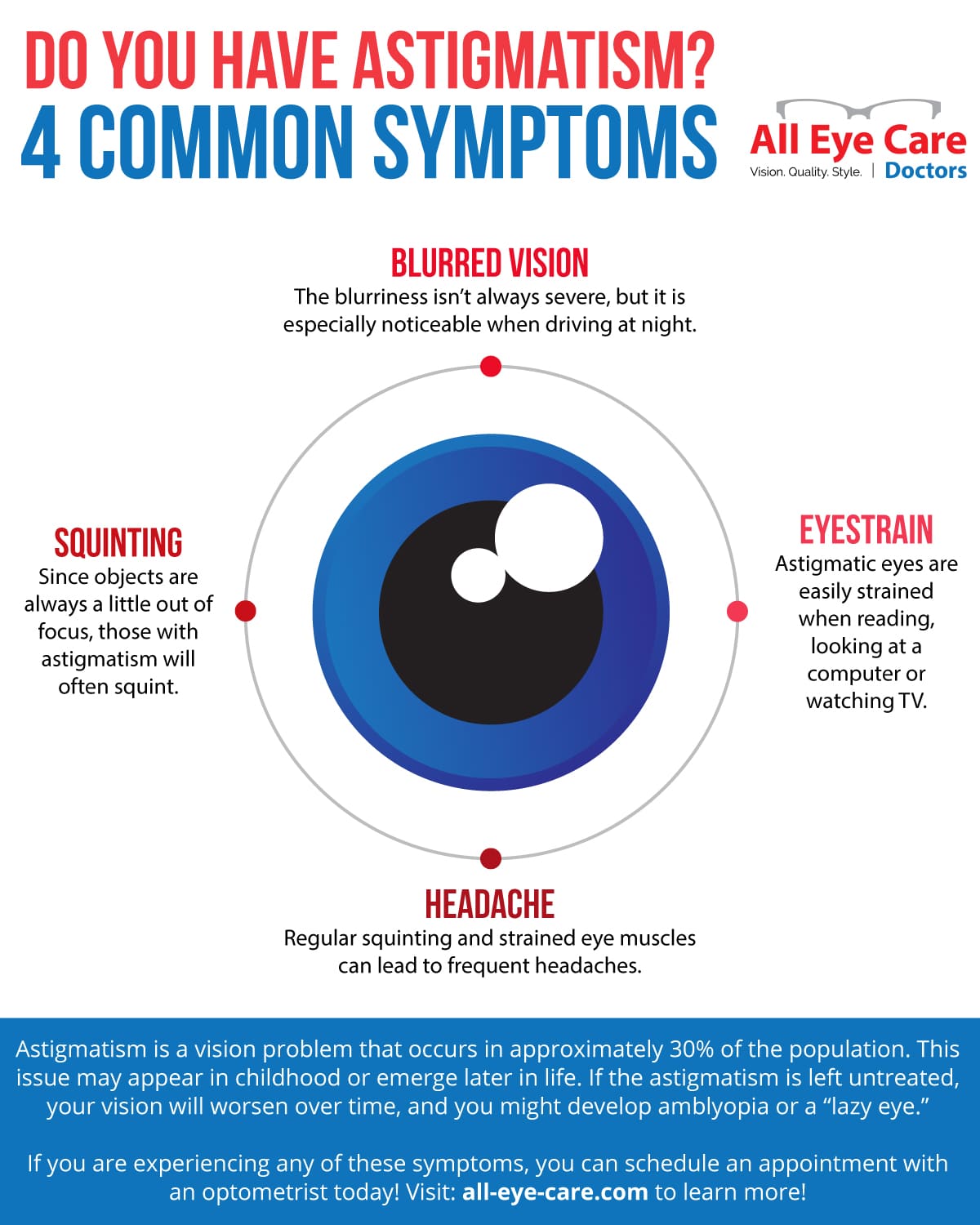
Unexpected vision loss, whether in one or both eyes, is a major problem that demands immediate interest. If you experience persistent fuzzy vision or problem focusing, it's time to get in touch with an expert.
In addition, signs like flashes of light or drifters can indicate issues that require evaluation. If you locate yourself fighting with eye strain or discomfort, do not neglect those signs.
Frequent headaches or scrunching up your eyes can additionally recommend your eyes require a check-up. Eventually, trusting your reactions about your vision can lead to prompt treatment and much better eye health and wellness.
Don't wait to look for assistance when something really feels off.
Eye Conditions That Require an Eye doctor's Attention
Specific eye conditions require punctual interest from an ophthalmologist to prevent severe complications. If you experience sudden vision loss, it's important to seek aid instantly.
Eye injuries, whether from injury or international objects, also need speedy examination to prevent enduring damages. Persistent eye discomfort, redness, or swelling could signal infections or problems like uveitis that require prompt treatment.
If you observe flashes of light, drifters, or adjustments in your peripheral vision, these signs and symptoms may show retinal detachment or various other severe concerns.
Furthermore, if you have a family members history of eye conditions like glaucoma or macular degeneration, regular examinations end up being essential.
Don't hesitate to speak with an eye doctor when these problems occur; very early intervention can make a substantial distinction.
How to Plan for Your Eye Doctor Consultation
Experiencing eye troubles might lead you to look for an eye doctor, and recognizing exactly how to get ready for your visit can boost your experience.
Beginning by gathering your medical history, including any kind of medicines you take and previous eye issues. Document your symptoms, noting when they began and exactly how they have actually transformed. Bring a listing of inquiries you want to ask; this will assist you keep in mind important factors throughout your browse through.
If you put on glasses or calls, bring them along. Get here a bit early to complete any kind of necessary paperwork and allow time for any kind of preliminary tests.
Finally, consider having a good friend or relative accompany you for assistance and to assist remember the medical professional's suggestions.
Verdict
In summary, if you're experiencing sudden vision loss, persistent blurriness, or any type of worrying signs and symptoms like eye strain or discomfort, don't think twice to see an ophthalmologist. Normal exams are essential, specifically if you have a family members history of eye conditions. Taking aggressive actions now can protect your eye health and prevent significant concerns down the line. Keep in mind, your vision is priceless, and very early treatment is crucial to preserving it for several years to come.